Source Hand Made Ceramic Vase for Home, Hotel, and Office
Find 30 Hand Made Ceramic Vase options tailored for home decor, hotel lobbies, and office spaces. Compare irregular and round shapes, glazed finishes, and custom OEM/ODM capabilities from Dongguan manufacturers to find the right fit for your business needs.
Key considerations
Products List

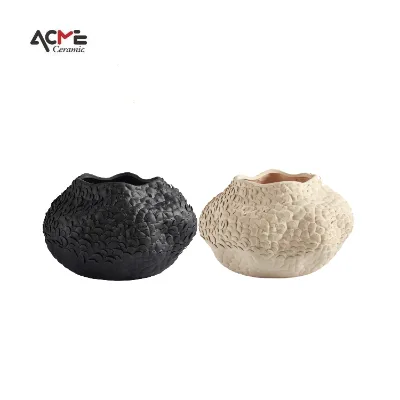
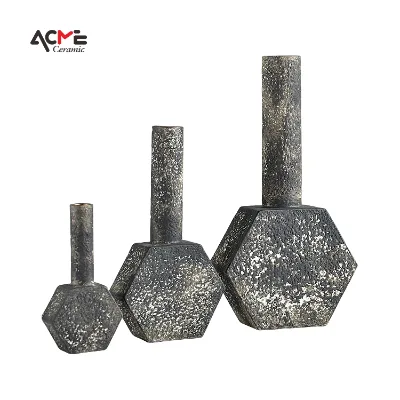


Modern Ceramic Art Vase Ceramic Hand Flower Vase Unique Gift Porcelain Vase
$1.00 - $3.00
MOQ: 3000 Pieces

Desktop Decoration Small Vase Custom Flower Vase White Ceramic Hand Painted Vase
$1.50 - $3.00
MOQ: 3000 Pieces


Round Ceramic Decorative Vase Custom Gift Flower Vase Modern Ceramic Vase
$1.00 - $3.00
MOQ: 3000 Pieces


Vase for Home Decor Handmade High - End Ceramic Garden Ornaments Plantpot
$2.99 - $19.90
MOQ: 1 Pieces


Comprehensive Sourcing Guide
Hand Made Ceramic Vase Sourcing Guide
Sourcing hand-made ceramic vases requires a nuanced understanding of the intersection between artisanal craftsmanship and industrial supply chain reliability. Unlike mass-produced molded ceramics, hand-built items introduce natural variations in shape, glaze thickness, and surface texture, which can be a selling point for boutique brands but a risk for buyers requiring strict uniformity. This guide outlines the critical verification steps, technical parameters, and commercial considerations necessary to secure a reliable supply of high-quality ceramic vases that meet both aesthetic and functional procurement standards.
The following sections provide a structured approach to evaluating suppliers, verifying product specifications, and managing quality control processes. By focusing on observable listing signals, technical dimensions, compliance documentation, and supplier qualifications, buyers can mitigate the inherent risks associated with custom ceramic manufacturing. This evidence-based framework ensures that procurement decisions are grounded in verifiable data rather than marketing claims, leading to more predictable outcomes and higher satisfaction with the final delivered goods.
Product Scope and Observed Listing Signals
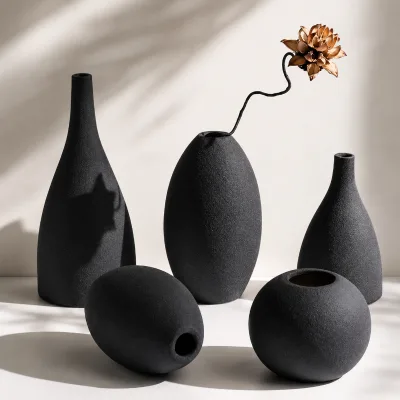
The current market landscape for hand-made ceramic vases reveals a diverse range of product configurations, primarily categorized by size, shape, and intended application. Observed listings indicate a strong presence of irregular and round shapes, with styles ranging from modern to fashion-forward designs. These vases are frequently marketed for home decoration, garden decoration, and business gifts, suggesting a versatile utility that appeals to both residential consumers and commercial entities such as hotels, offices, and restaurants. The availability of customization options, including logo printing and specific color palettes like black, pink, white, and multicolor, highlights the OEM and ODM capabilities of many suppliers in this sector.
Listing signals also point to specific product models, such as TC0013L/M/S and TC009L/M/S, which denote standardized sizing within a collection. These models typically come in Large, Medium, and Small variants, allowing buyers to order sets or mix-and-match configurations. The packaging methods observed include brown boxes, cartons, and gift boxes, indicating that suppliers are equipped to handle both bulk industrial shipping and premium retail presentation. Furthermore, the presence of factory audits such as BSCI and FSC suggests that many manufacturers adhere to social compliance and sustainable forestry standards, which is a significant factor for buyers with strict corporate social responsibility requirements.
Technical Specifications to Verify
When evaluating technical specifications, buyers must pay close attention to dimensional accuracy, as hand-made processes can lead to slight deviations from nominal sizes. For instance, specific models like TC0013L/M/S list product sizes of 17x17x38cm for the Large variant, 16x16x33cm for Medium, and 15x15x29cm for Small. In contrast, the TC009L/M/S series offers slightly different dimensions, with Large at 18x18x43cm, Medium at 17x17x36cm, and Small at 16x16x30cm. It is crucial to verify these dimensions against your own storage, display, or shipping constraints, as even a few centimeters of difference can impact palletization efficiency and retail shelf fit.
Surface decoration and material properties are equally critical technical factors. The observed listings specify a glazed surface finish, which not only enhances aesthetic appeal but also affects functionality by making the vase easier to clean and more resistant to moisture. Buyers should confirm whether the glaze is food-safe if the vase is intended for daily use or if it is purely decorative. Additionally, the processing method is listed as "hand built," which implies a unique character for each piece but requires clear tolerance agreements with the supplier. Understanding the output capacity, such as 100,000 pieces per month, helps buyers assess whether a supplier can meet large-scale demand without compromising the hand-made quality.
Compliance and Safety Documentation
Compliance and safety documentation are non-negotiable for international trade, particularly when dealing with ceramic products that may come into contact with food or water. Buyers should request certificates of conformity that verify the product meets the safety standards of the destination market. While some listings mention certifications like ISO, it is essential to verify the specific scope of these certifications to ensure they cover the manufacturing process and the final product quality. Additionally, factory audits such as BSCI provide assurance regarding labor practices, which is increasingly important for brands that need to demonstrate ethical sourcing to their customers.
For buyers targeting markets with strict environmental regulations, documentation related to material safety and sustainable sourcing is vital. The mention of FSC audits suggests that some suppliers may use packaging materials derived from responsibly managed forests, which can be a valuable selling point. Buyers should also inquire about any chemical testing reports, particularly for lead and cadmium content in the glaze, to ensure compliance with regulations like REACH in Europe or similar standards in other regions. Although specific test results are not provided in the general listings, requesting these documents from potential suppliers is a standard due diligence step to prevent regulatory hurdles at customs.
Cost Drivers and Commercial Terms
The cost of hand-made ceramic vases is influenced by several key drivers, including the complexity of the design, the type of glaze used, and the level of customization required. Irregular shapes and hand-applied glazes typically command higher prices than standard round shapes and uniform finishes due to the increased labor intensity and higher rejection rates. Buyers should also consider the packaging costs, as the choice between simple brown boxes and premium gift boxes can significantly impact the unit price. Understanding these cost drivers allows for more accurate budgeting and negotiation with suppliers.
Commercial terms such as Minimum Order Quantity (MOQ) and payment terms are critical for managing cash flow and inventory risk. Observed MOQ ranges vary widely, from as low as 1 piece to as high as 5,000 pieces, reflecting the flexibility of different suppliers. Buyers with smaller volumes may need to accept higher unit prices or pay for sample fees, while larger orders can leverage economies of scale. It is advisable to clarify the lead times for both sample production and bulk manufacturing, as hand-made processes can be slower than automated production. Clear communication regarding these terms helps avoid misunderstandings and ensures a smooth procurement process.
Supplier Qualification and Quality Control
Supplier qualification is a multi-step process that goes beyond reviewing product catalogs. Buyers should verify the supplier’s status as an OEM or ODM manufacturer, as this indicates their ability to produce custom designs or adapt existing ones to specific requirements. Checking for factory audit reports, such as BSCI, provides insight into the supplier’s operational integrity and social compliance. Additionally, assessing the supplier’s production capacity, such as the mentioned 100,000 pieces per month, helps determine if they can handle your order volume without delays.
Quality control measures must be explicitly defined in the purchase agreement. Given the hand-made nature of the products, buyers should establish clear acceptance criteria for defects, such as cracks, glaze imperfections, or dimensional deviations. It is recommended to request pre-shipment inspections or third-party quality control services to verify that the delivered goods meet the agreed-upon standards. Suppliers who offer quality standards like "A-B Grade" or custom requirements based on buyer specifications demonstrate a willingness to align with your quality expectations. Establishing a robust quality control protocol minimizes the risk of receiving substandard products and protects your brand reputation.
Long-Term Procurement Checks
Long-term procurement success depends on building a sustainable relationship with your supplier and continuously monitoring performance. Regular communication and periodic site visits, if feasible, can help strengthen the partnership and ensure that the supplier remains aligned with your evolving needs. Buyers should also track key performance indicators such as on-time delivery rates, defect rates, and responsiveness to issues. These metrics provide objective data to evaluate supplier performance and identify areas for improvement.
As market trends and consumer preferences change, your supplier should be able to adapt to new design requirements or material innovations. Maintaining a diversified supplier base can mitigate risks associated with single-source dependency, especially for critical components or high-volume items. Additionally, staying informed about regulatory changes in your target markets ensures that your products remain compliant over time. By proactively managing these long-term factors, buyers can secure a reliable supply of hand-made ceramic vases that continue to meet quality, cost, and compliance standards throughout the product lifecycle.
FAQs
Can I customize the logo on these ceramic vases?
Yes, the logo can be customized according to your specific requirements. The manufacturer offers OEM and ODM development technologies to support personalized branding needs for business gifts or promotional items.
What are the available sizes for the Hand Made Ceramic Vase?
The product is available in three distinct sizes: Large measures 18x18x43cm, Medium is 17x17x36cm, and Small is 16x16x30cm. These dimensions correspond to specific model codes like TC009L, TC009M, and TC009S.
Which certifications do the factories hold for production?
The factories maintain BSCI and FSC factory audits to ensure ethical and sustainable manufacturing practices. These standards verify the production environment meets international requirements for social compliance and forest management.
How is the ceramic vase shaped and decorated?
The vases feature an irregular shape with a glazed surface decoration and are hand built by artisans. This process creates a unique, hand-made style suitable for home decoration, garden use, or as a functional sculpture.
What is the monthly production capacity for these items?
The facility has an output capacity of 100,000 pieces per month to meet large order demands. This high volume ensures timely delivery for bulk purchases intended for hotels, offices, or restaurants.
Can I order samples with a low minimum quantity?
Yes, the minimum order quantity ranges from 1 to 5000 pieces depending on the specific customization and model selected. This flexibility allows buyers to test the product quality before committing to larger wholesale orders.